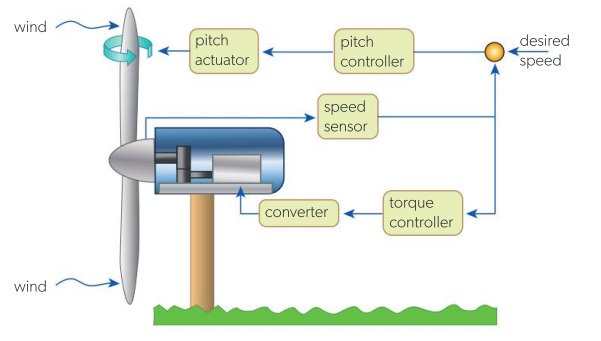
System Integration: Orchestrating Complexity
System integration is a fundamental principle in biology and engineering. It ensures that multiple components work together in a coordinated and efficient manner to achieve a desired outcome.
Key Points:
Key Points:
| Feature | Hormonal Signaling | Nervous Signaling |
|---|---|---|
| Type of Signal | Chemical (hormones) | Electrical (passage of ions across membranes) |
| Transmission of Signal | Widespread; to all parts of the body that are supplied with blood | Highly focused – to one specific neuron or group of neurons |
| Destination of Signal | Target cells in any type of tissue | Specific neurons or muscle cells |
| Effectors | Cells throughout the body | Muscles or glands |
| Type of Response | Growth, development, including puberty and reproduction; metabolic rate and heat generation; mood, including thirst, sleep, wakefulness, and sex drive | Responses due to contraction of muscle: skeletal muscle (e.g., locomotion), smooth muscle (e.g., heart rate and sphincter muscles), and cardiac muscle; secretion from glands, e.g., sweat or saliva secretion by exocrine glands, epinephrine secretion by endocrine glands, e.g., adrenal gland |
| Speed of Response | Slow – until the hormone is broken down | Very rapid – unless nerve impulses are sent repeatedly |
| Duration of Response | Longer | Short – unless nerve impulses are sent repeatedly |
Hormonal and nervous signaling play critical roles in coordinating the activities of different organ systems within an animal body. These two systems work together to maintain homeostasis, respond to environmental stimuli, and ensure the proper functioning of the organism as a whole.